

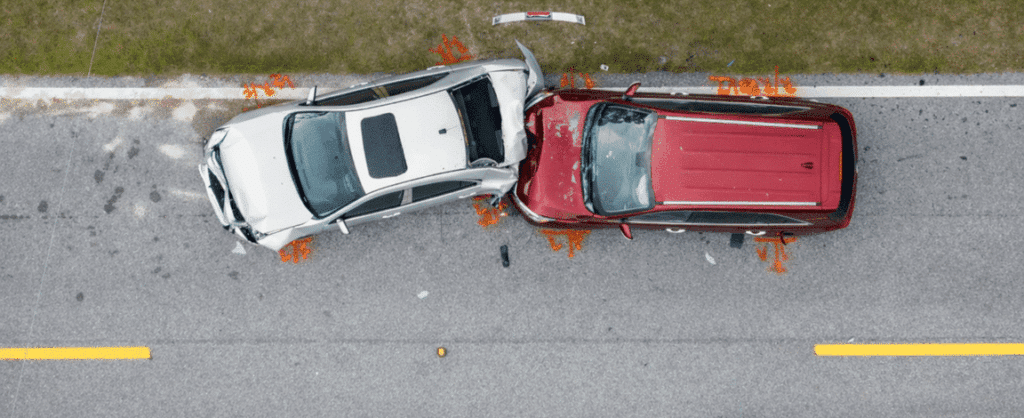
Most drivers don’t realize their vehicle has been quietly documenting their trip. Event data recorders capture speed, braking patterns, steering inputs, and even whether seat belts were fastened in the moments before impact. This information can corroborate your account of what happened, refute false claims from other drivers, and provide objective proof when memories fade or witnesses disagree.
The problem is that this data doesn’t last forever. If a damaged vehicle is repaired, sold, or sent to a salvage yard, the evidence can be erased or lost permanently. Without proper preservation steps, you may lose the most reliable witness to your accident, the vehicle itself.

Looking for a Peaceful Legal Resolution? Let Us Help You
Looking for a Peaceful Legal Resolution? Let Us Help You
Get your FREE & confidential case review today 561-689-8180
Why Crash Data Matters in Florida Accident Claims
Florida operates under a modified comparative negligence system, which means your compensation can be reduced based on your percentage of fault. If you’re found 30% responsible for the crash, your settlement drops by 30%. In disputes where liability is contested, even small details can shift the balance.
Digital evidence from an event data recorder (EDR) provides objective data that doesn’t rely on human perception or memory. While eyewitness testimony can be inconsistent and accident reconstructions require interpretation, EDR data offers measurable facts. Was the other driver speeding? Did they apply their brakes before the collision? Were you wearing your seat belt? The EDR knows.
Insurance companies understand the value of this evidence. Adjusters and defense attorneys will move quickly to download EDR data from their own insured’s vehicle, sometimes within days of an accident. If you don’t take similar steps to preserve the data from all vehicles involved, you’re giving the other side a significant advantage.
In cases involving serious injuries or fatalities, EDR data becomes even more valuable. When damages exceed policy limits or multiple parties share fault, the stakes are high enough that every piece of evidence matters.
Related Reading:
Drowsy Driving Accidents in Florida: Why Fatigue Is as Dangerous as Drunk Driving
What Vehicle Event Data Recorders Capture
An event data recorder is essentially a black box for your car. Most passenger vehicles manufactured after 2014 come equipped with these devices, though many older models have them as well. The EDR continuously monitors and stores information about vehicle performance, but it only saves detailed data when it detects a crash or near-crash event.
The specific data captured varies by manufacturer, but most EDRs record information for the five seconds before a collision. Common data points include:
Speed and throttle position. The system logs how fast the vehicle was traveling and whether the driver was accelerating.
Brake application. EDRs record whether the brakes were applied, how hard, and for how long before impact.
Steering input. Some systems capture the degree and direction of steering wheel movement.
Seat belt status. The recorder documents whether the driver and front passenger seat belts were buckled.
Airbag deployment. The system notes which airbags were deployed and the timing of deployment.
Engine RPM. This can help determine whether the vehicle was in motion or stationary at impact.
Some newer vehicles with advanced safety features also record data from lane departure systems, adaptive cruise control, and collision warning systems. Luxury vehicles and those with extensive driver-assistance technology may store even more detailed information.
The data is stored in the airbag control module or powertrain control module, depending on the vehicle make and model. Accessing this information requires specialized equipment and software that can communicate with the vehicle’s computer systems. This isn’t something you can do with a standard code reader from an auto parts store.
Chain of Custody and Spoliation: Key Legal Concepts
Chain of custody refers to the documented process of collecting, handling, and preserving evidence from the moment it’s identified until it’s presented in court. Every person who handles the evidence must be accounted for, and any changes to the evidence must be recorded. This documentation establishes that the evidence is authentic and hasn’t been tampered with.
For crash data, maintaining the chain of custody means documenting who downloaded the EDR information, when it was downloaded, what equipment was used, and how the data has been stored and protected. If these steps aren’t followed, the opposing party can challenge the reliability of the evidence or argue it should be excluded from the case.
Spoliation of evidence occurs when relevant evidence is destroyed, altered, or allowed to deteriorate. In the context of vehicle accidents, spoliation can happen intentionally, such as when someone deliberately erases EDR data, or unintentionally, like when a vehicle is repaired or scrapped without preserving the digital information first.
Florida courts take spoliation seriously. Under Florida law, if a party destroys or fails to preserve evidence that they knew or should have known was relevant to pending or reasonably foreseeable litigation, the court can impose sanctions. These sanctions might include allowing the jury to infer that the destroyed evidence would have been unfavorable to the party that lost it, excluding other evidence that the party tries to present, or even dismissing the case entirely.
The key is whether the party had notice that the evidence should be preserved. Once you’ve been in an accident and it’s reasonably clear there will be an insurance claim or lawsuit, you have a duty to preserve relevant evidence. The same duty applies to the other driver and their insurance company.
Steps to Preserve Evidence
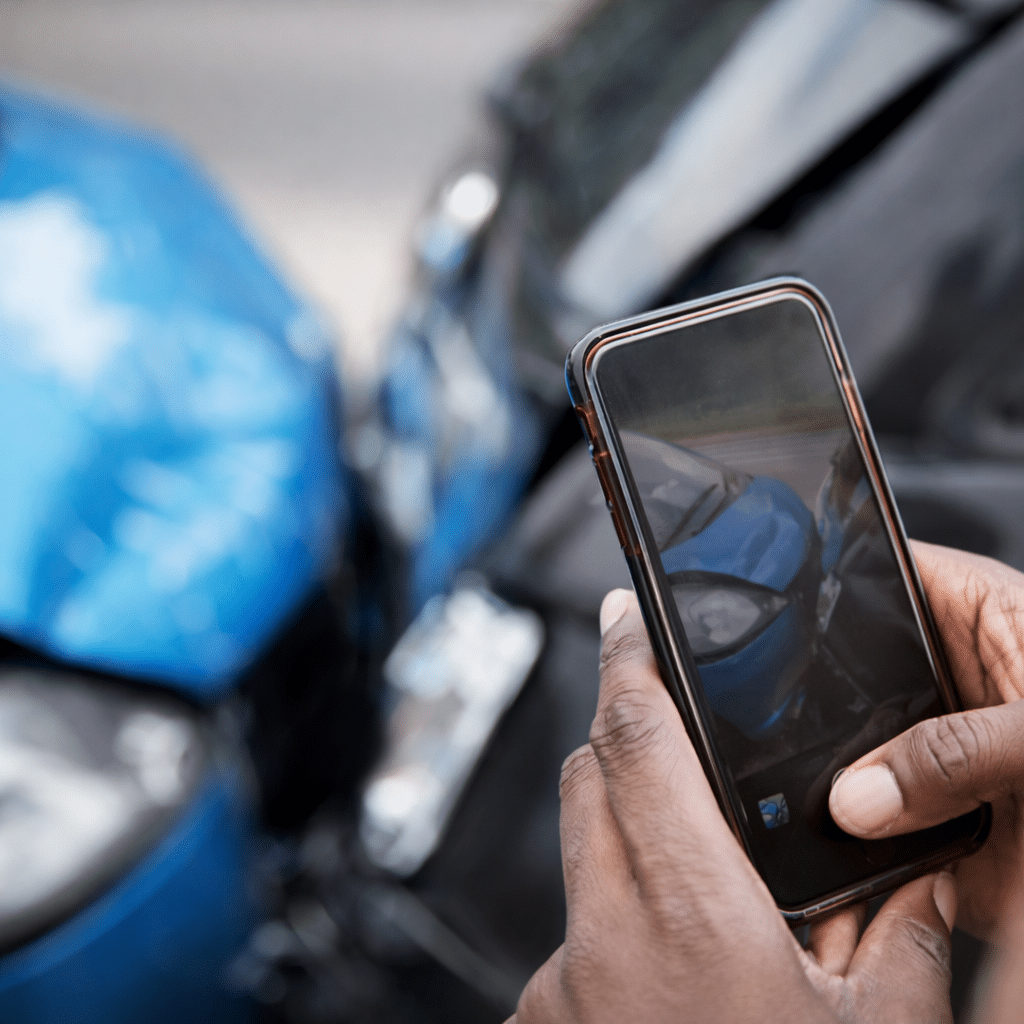 Time is the enemy when it comes to crash data preservation. Vehicles get towed, repaired, totaled out by insurance companies, or sold for salvage. Once the vehicle changes hands or undergoes significant repairs, the opportunity to capture EDR data may be gone forever.
Send a preservation letter immediately. If you’ve hired an attorney, they should send formal preservation letters to all parties involved in the accident, including the other driver, their insurance company, and any towing or storage facilities holding the vehicles. This letter puts everyone on notice that the vehicle and its data must be preserved. If you haven’t hired a lawyer yet, you can still send your own letter via certified mail, though having legal representation strengthens the notice.
Document the vehicle’s condition. Take photographs and videos of all vehicles involved from multiple angles. Capture damage, the final resting positions, skid marks, debris, and the surrounding scene. While this doesn’t preserve EDR data, it creates a visual record that complements the digital evidence.
Avoid unnecessary repairs. If your vehicle is drivable and safe, consider delaying repairs until EDR data has been downloaded. If the vehicle must be repaired for safety or practical reasons, notify your attorney first so they can arrange for data extraction.
Secure proper storage. If the vehicle isn’t drivable, make sure it’s stored in a secure location where it won’t be altered, moved, or scrapped without notice. Communicate with the tow company and storage facility about the need to preserve the vehicle for evidence.
Request EDR downloads promptly. Work with your attorney to identify a qualified expert who can download and preserve the EDR data from all vehicles involved. This process should happen as soon as possible, ideally within the first few weeks after the accident.
Keep detailed records. Maintain a file with all accident-related documents, including police reports, medical records, correspondence with insurance companies, repair estimates, and any communications about evidence preservation.
Florida doesn’t have a specific statute that mandates EDR preservation for a set period, but general evidence preservation principles apply. Courts have held that once litigation is reasonably anticipated, parties must take affirmative steps to preserve relevant evidence. Waiting too long or taking a passive approach can result in lost evidence and weakened claims.
Looking for a Peaceful Legal Resolution? Let Us Help You
Looking for a Peaceful Legal Resolution? Let Us Help You
Get your FREE & confidential case review todayHow Our Attorneys Secure and Use Digital Evidence
Preserving EDR data requires technical knowledge and the right tools. Our firm works with certified crash reconstruction experts and forensic specialists who have the equipment and training to properly download and interpret event data recorder information. We act quickly because we understand how easily this evidence can be lost.
When we take on a car accident case, one of our first steps is identifying all potential sources of digital evidence. That includes EDR data from the vehicles involved, surveillance or dashcam footage from nearby businesses or other drivers, traffic camera recordings, and cell phone records if distracted driving is suspected.
We send preservation letters within days of being retained, putting insurance companies and other parties on notice that all evidence must be protected. These letters specify exactly what must be preserved, not just the vehicles themselves, but also any data stored in onboard computers, maintenance records, and communications related to the accident.
Once we’ve secured the EDR data, we work with experts to analyze what it reveals. This analysis often becomes a central part of our case strategy. If the data shows the other driver was speeding, failed to brake, or ignored warnings from their vehicle’s safety systems, we use that information to establish liability and counter any attempt to shift blame onto our client.
We’ve handled cases where EDR data proved that an at-fault driver was traveling well above the posted limit despite claiming they were driving safely. We’ve used seat belt status data to refute insurance company arguments about injury causation. We’ve shown through throttle and brake data that a driver never attempted to slow down before a rear-end collision, contradicting their claim that our client stopped suddenly.
Digital evidence also protects our clients from false accusations. When the other side claims you were at fault, objective data from your vehicle’s computer can tell the real story.
Frequently Asked Questions About Crash Data
Can I download my own vehicle's EDR data?
Technically, yes, but it requires specialized equipment that most people don’t have access to. The software and hardware needed to interface with a vehicle’s computer system can cost thousands of dollars and require training to use properly. More importantly, if you plan to use the data in a legal claim, having it downloaded by a qualified expert helps establish a chain of custody and credibility.
Who owns the data in my car's EDR?
In Florida, the driver or owner of the vehicle generally has the right to the EDR data. Under Florida Statutes Section 627.7415, EDR data cannot be retrieved without the owner’s consent except in limited circumstances, such as a court order, investigation by a government agency, or medical research. This means you have control over when and how the data from your vehicle is accessed.
How long does EDR data last?
EDR data typically remains stored in the vehicle’s computer until it’s overwritten by a subsequent crash event or the module is damaged, replaced, or reset during repairs. There’s no standard retention period; data might last for years if the vehicle isn’t in another accident, or it could be lost within days if the airbag module is replaced during repairs.
What if the other driver's insurance company wants to inspect my vehicle?
They may request access to your vehicle and its EDR data as part of their investigation. You’re generally not required to grant access unless ordered by a court, though refusing can sometimes create complications in your claim. Consult with your attorney before allowing any inspection of your vehicle or release of EDR data.
Can EDR data be altered or faked?
While it’s theoretically possible to tamper with EDR data, it would require significant technical expertise and specialized equipment. Qualified experts can usually detect signs of tampering. This is another reason why chain of custody matters; proper documentation of how the data was collected and stored helps ensure its authenticity.
Will EDR data show who was at fault?
EDR data provides objective facts about what the vehicle and driver were doing before the crash, but it doesn’t make legal conclusions about fault. An expert must interpret the data in context with other evidence, police reports, witness statements, physical evidence from the scene to reconstruct what happened and determine how the accident occurred.
Does every car have an EDR?
Most vehicles manufactured since the mid-2000s have some form of EDR, and nearly all passenger vehicles made after 2014 are equipped with them. However, the specific capabilities and data points recorded vary by manufacturer and model year. Older vehicles may have limited EDR functionality or none at all.
What happens if the vehicle is totaled and sent to salvage?
Once a vehicle is declared a total loss, the insurance company typically takes ownership and may send it to a salvage yard. If EDR data hasn’t been downloaded before this happens, it may be difficult or impossible to retrieve later. The vehicle could be dismantled for parts, crushed, or sold at auction. This is why immediate preservation efforts matter so much.
Were You Hurt in an Accident? Let Us Help You
Hurt? Your Journey to Justice Starts Here.
Get Your Free & Confidential Case Review TodayDon’t Let Critical Evidence Disappear
The days and weeks after a car accident move quickly. You’re dealing with injuries, medical appointments, insurance calls, and the stress of lost wages or vehicle replacement. It’s easy to let evidence preservation fall through the cracks.
But that digital data sitting in your vehicle’s computer could be the difference between a fair settlement and a denied claim. It could prove you weren’t at fault when the insurance company says otherwise. It could verify the severity of the impact when they try to minimize your injuries.
Our attorneys handle the technical and legal complexities of evidence preservation so you can focus on recovery. We know which experts to call, what letters to send, and how to move fast before evidence is lost.
Need help preserving crash evidence? Call us today for a free case review. We’ll evaluate your situation, explain your options, and take immediate steps to protect the evidence that supports your claim. Don’t wait until it’s too late, contact our office now.