
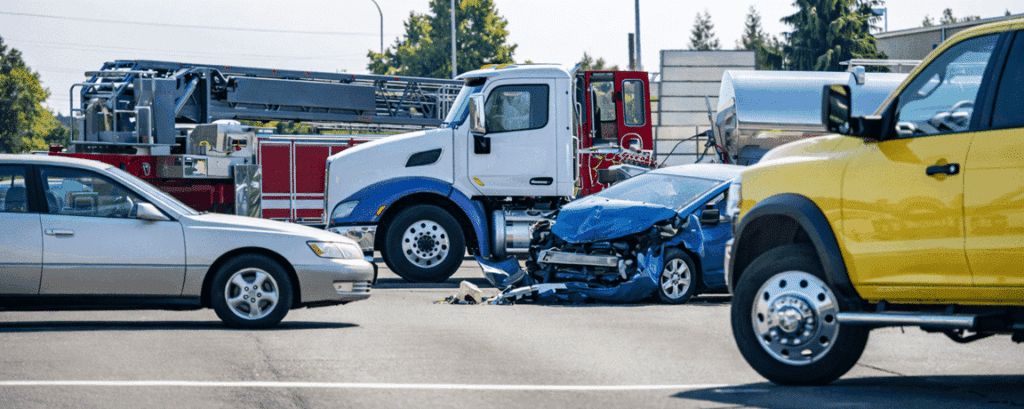
If you’ve been injured by someone driving a borrowed car, or if you own a vehicle that was involved in a crash while someone else was driving, understanding how this doctrine works can make the difference between recovering compensation and being left without recourse.
What Is the Dangerous Instrumentality Doctrine?
Florida recognizes that motor vehicles are inherently dangerous. Because of the potential harm they can cause, the state holds that whoever owns a car bears some responsibility for how it’s used. The dangerous instrumentality doctrine creates vicarious liability, meaning an owner can be held legally responsible for the negligence of anyone driving their vehicle with permission.
This rule originated in a 1920 Florida Supreme Court case involving a motorboat. The court reasoned that when owners allow others to operate dangerous equipment, they should share in the responsibility for any harm that results. Over the decades, Florida courts have consistently applied this principle to automobiles, making it one of the broadest owner liability standards in the country.
The doctrine doesn’t require the owner to have done anything wrong. You don’t have to be present during the accident, you don’t have to know the driver is being reckless, and you don’t need to have any direct involvement in the crash. If someone had your permission to use the vehicle, that’s enough to establish your potential liability.

Looking for a Peaceful Legal Resolution? Let Us Help You
Looking for a Peaceful Legal Resolution? Let Us Help You
Get your FREE & confidential case review today 561-689-8180
Why Florida Holds Vehicle Owners Vicariously Liable
Most states limit owner liability to specific situations, such as family use or employer-employee relationships. Florida takes a different approach. The state’s courts have held that placing a dangerous instrumentality in the hands of another person carries inherent risk, and the owner must accept responsibility for that choice.
From a practical standpoint, this doctrine serves several purposes. It encourages vehicle owners to be selective about who drives their cars. It also helps ensure that injury victims have a way to recover damages, particularly when the driver has limited insurance or assets.
Florida’s approach recognizes a reality about car accidents: drivers who borrow vehicles are often young, inexperienced, or underinsured. Without the dangerous instrumentality doctrine, injured people might find themselves with valid claims but no realistic way to collect compensation. By holding owners accountable, the law provides an additional layer of financial protection for accident victims.
Related Reading:
How Subrogation Affects Your Florida Auto Accident Settlement
Permission Matters: Express vs. Implied Use
The dangerous instrumentality doctrine hinges on one key factor: permission. If the driver had the owner’s consent to use the vehicle, the owner can be held liable. If they didn’t, the doctrine generally doesn’t apply.
Permission can be express or implied. Express permission is straightforward; you hand someone your keys and tell them they can drive your car. Implied permission is less obvious but equally binding. If you regularly allow your teenage daughter to use your vehicle and she takes it one evening without explicitly asking, courts will likely find implied permission based on the established pattern.
Florida courts have addressed numerous scenarios where permission was disputed. In some cases, owners claimed they only gave permission for limited use, perhaps a quick trip to the store, but the driver used the vehicle for an extended period or went somewhere else entirely. Generally, courts have found that once permission is granted for any use, it extends to the entire trip unless specifically limited and that limitation was clearly communicated.
The question becomes more complicated when someone other than the person you gave permission to ends up driving. Say you lend your car to your brother, and he lets his friend drive. In many cases, Florida courts have found that the original permission extends to subsequent drivers if the first borrower had apparent authority to allow others to use the vehicle. This chain of permissive use can create liability even when the owner never met or knew about the ultimate driver.
Exceptions to the Doctrine (Stolen Vehicles, Unauthorized Use, Graves Amendment)
While Florida’s dangerous instrumentality doctrine is broad, it’s not absolute. Several exceptions limit when owners can be held liable.
Stolen Vehicles
If your car is stolen, you’re not liable for accidents the thief causes. The key here is that the driver must have taken the vehicle completely without permission. Simply failing to return a borrowed car on time doesn’t make it stolen for purposes of this exception.
Unauthorized Use
When someone takes your vehicle knowing they don’t have permission, owner liability doesn’t attach. This might include a valet who takes your car for a joyride or a mechanic who uses your vehicle for personal errands without authorization. The challenge in these cases often lies in proving the driver knew they lacked permission.
Graves Amendment
The federal Graves Amendment, enacted in 2005, provides an exception for vehicle rental and leasing companies. Under this law, commercial rental companies can’t be held vicariously liable solely based on vehicle ownership. The person who rented the car can still be sued, but the rental company is generally shielded from the dangerous instrumentality doctrine.
This exception doesn’t apply to informal car-sharing arrangements between individuals or to peer-to-peer car rental platforms in many cases. The Graves Amendment specifically protects traditional rental companies in the trade or business of renting vehicles.
Employer-Owned Vehicles
When an employee uses a company vehicle outside the scope of employment, the employer may avoid liability. If a delivery driver takes the company van home and causes an accident while running personal errands on a Sunday, the employer might successfully argue that the use was unauthorized and outside the employment relationship.
Scenario |
Owner Liable? |
Key Factor |
| A friend borrows a car with permission | Yes | Express permissive use |
| Family member regularly uses a car | Yes | Implied permission from the pattern |
| Vehicle stolen | No | Complete lack of consent |
| Rental company vehicle | No | Graves Amendment protection |
| Employee’s off-duty personal use | Possibly no | Outside the scope of employment |
| Original borrower lets friend drive | Often yes | Chain of permissive use |
Looking for a Peaceful Legal Resolution? Let Us Help You
Looking for a Peaceful Legal Resolution? Let Us Help You
Get your FREE & confidential case review todayHow the Doctrine Impacts Insurance Coverage
The dangerous instrumentality doctrine has significant implications for insurance coverage. Most auto insurance policies in Florida follow the vehicle, not the driver. This means that if someone borrows your car and causes an accident, your insurance policy is typically the primary coverage that applies.
If the damage and injuries exceed your policy limits, the at-fault driver’s personal insurance may provide secondary coverage. But the injured party will first make a claim against your policy. This can affect your insurance rates and claims history even though you weren’t driving.
Vehicle owners sometimes discover too late that their policy limits are inadequate. Florida requires only $10,000 in property damage liability coverage, with no mandatory bodily injury coverage for all drivers. If you regularly lend your vehicle to others, these minimum limits leave you exposed to personal liability for any damages that exceed your coverage.
The doctrine also affects how insurance companies investigate claims. When a borrowed vehicle is involved in an accident, insurers will examine whether permission was granted and whether the use fell within any limitations the owner placed on that permission. Text messages, witness statements, and the history of prior borrowing can all become relevant evidence.
Some insurance policies include exclusions for certain drivers or uses, but these provisions must be carefully drafted and clearly communicated to be enforceable. An owner can’t simply claim after an accident that they didn’t intend for their policy to cover a particular driver if the policy language doesn’t support that position.
Steps to Protect Your Rights After a Borrowed Vehicle Accident
If you were injured in an accident involving a borrowed vehicle, several steps can help protect your right to compensation.
Identify All Potentially Liable Parties
Don’t assume you can only pursue a claim against the driver. Find out who owns the vehicle. If it was borrowed, the owner may be liable under the dangerous instrumentality doctrine. In some cases, multiple parties may share responsibility.
Gather Evidence of Permissive Use
The driver or owner may later claim the vehicle was taken without permission. Collect evidence early. This might include statements from witnesses, text messages arranging the borrowing, or social media posts. The driver’s own statements at the scene can be particularly valuable.
Investigate Insurance Coverage
Determine what insurance policies apply and in what order. The vehicle owner’s policy is typically primary, but other coverage may be available. An experienced attorney can help identify all potential sources of compensation and understand how different policies interact.
Document the Full Extent of Your Injuries
As with any personal injury claim, thorough medical documentation is necessary. Seek appropriate treatment, follow your doctor’s recommendations, and keep records of all expenses related to the accident. These records become the foundation for your damages claim.
Act Quickly
Florida’s statute of limitations for personal injury claims is generally two years from the date of the accident, though some circumstances can shorten this period. Insurance companies often require prompt notice of claims. The sooner you begin the process, the better your chances of preserving evidence and protecting your rights.
If you’re a vehicle owner facing a claim because someone borrowed your car, you need different strategies. Contact your insurance company immediately and provide accurate information about who had permission to use the vehicle and under what circumstances. Don’t make statements that could be interpreted as admissions of liability before consulting with an attorney. Your insurance policy likely requires cooperation, but you should still understand your rights and potential exposure.
Legal Guidance for Borrowed Vehicle Cases in West Palm Beach
 Borrowed vehicle accidents create complex liability questions. Determining who had permission, whether exceptions apply, and how multiple insurance policies interact requires legal analysis of the specific facts. Florida’s dangerous instrumentality doctrine can make vehicle owners liable even when they did nothing wrong, and injured victims may not realize they have claims against parties beyond just the driver.
Whether you lent your vehicle and now face a lawsuit, or you were injured by someone driving a borrowed car, you need counsel who understands how Florida courts apply vicarious liability principles. These cases often involve insurance coverage disputes, questions about the scope of permission, and arguments over whether exceptions apply.
The West Palm Beach personal injury lawyers at Zoeller Law have handled numerous cases involving the dangerous instrumentality doctrine. We know how to investigate permissive use, identify all liable parties, and pursue full compensation for injured clients. If you’re a vehicle owner, we can help you understand your exposure and work with insurance companies to resolve claims.
Don’t let confusion about borrowed vehicle liability prevent you from protecting your rights. Contact us today for a free consultation to discuss your case.